

They’re the all-caps tweets heard round the world (or at least the country). California Governor Gavin Newsom’s recent social media campaign has been turning heads—not for its politics, but for its unexpectedly irreverent, meme-driven style.
Now, we’re not here for a political debate; that’s not what we do at Fletcher Marketing Communications. However, in a digital world where brands and public figures alike are exploring bolder ways to stand out, there’s a case study in public relations to be had here. For marketers and PR professionals, the lesson isn’t about politics. It’s about what happens when a brand (or public figure) leans hard into personality, humor, and cultural fluency—and how to know whether this kind of approach fits your own strategy.
The Posts That Started It All
Newsom’s official press office account began posting in an all-caps, satirical style mimicking President Donald Trump’s accounts.
DONALD IS FINISHED — HE IS NO LONGER “HOT.” FIRST THE HANDS (SO TINY) AND NOW ME — GAVIN C. NEWSOM — HAVE TAKEN AWAY HIS “STEP.” MANY ARE SAYING HE CAN’T EVEN DO THE “BIG STAIRS” ON AIR FORCE ONE ANYMORE — USES THE LITTLE BABY STAIRS NOW. SAD! TOMORROW HE’S GOT HIS “MEETING” WITH…
— Governor Newsom Press Office (@GovPressOffice) August 15, 2025
Behind the scenes, digital director Camille Zapata and her team are deliberately using parody and pop-culture savvy to drive massive reach.
The posts center on California’s recently approved redistricting maps, which Newsom’s team framed in an exaggerated, satirical style to mock critics and celebrate the changes. Using parody language and meme-worthy phrasing, the posts turn what is typically a technical policy update into viral, shareable content.
WOW!!! MY MAPS (THE BEST MAPS EVER MADE) WILL SOON PASS IN THE GREATEST LEGISLATURE ANYWHERE IN THE WORLD (NOT JUST AMERICA). AMERICA CAN THANK ME (GAVIN C. NEWSOM) AND TWO VERY SPECIAL PEOPLE — MAGIC MIKE & RAINMAKER ROBERT, WHO LEAD THE LEGISLATURE — TOTAL LEGENDS!!! THESE ARE…
— Governor Newsom Press Office (@GovPressOffice) August 21, 2025
Critics, however, argue the posts risk trivializing an important policy issue. Some political commentators have warned that the tone “reduces serious governance questions to social media spectacle” (CalMatters) and “may ultimately undermine credibility with undecided voters” (LA Times).
Trump: The Blueprint for Boldness
President Donald Trump’s use of social media, particularly X, demonstrated how bold, unfiltered communication can drive unprecedented engagement and dominate the news cycle. From a PR perspective, Trump showed that a distinct and consistent tone—whether unintentionally (or intentionally) combative, humorous, or provocative—can become a defining brand asset. However, his approach also highlighted the risks: polarizing messaging can energize a core audience while alienating others and inviting intense scrutiny over tone and accuracy.
Trump’s social media presence is so well-known, you can find articles ranking his most provocative tweets.
MoonPie: Mastering Surreal Humor
While political players are constantly under scrutiny for everything they say and post, other brands have made bold humor a part of their brand – and with less important issues to discuss than politicians, the strategy often pays off.
MoonPie, a century-old snack brand, revitalized its social presence by leaning into absurd humor and internet randomness. Examples include posting fake arguments with itself, replying to customer comments with unexpected wit, and even “live-tweeting” events like eclipses with tongue-in-cheek drama.
A solar eclipse is not enough I need to extinguish the sun entirely
— MoonPie (@MoonPie) October 14, 2023
Why it works: MoonPie’s nostalgic, lighthearted product pairs perfectly with a self-aware, ridiculous brand personality. The audience expects fun, not seriousness, so the humor strengthens connection rather than undermining credibility.
Burger King: Snark Done Right
Burger King has long embraced irreverence, whether trolling McDonald’s with “Whopper Detour” (where customers got deals for ordering near McDonald’s locations) or roasting competitors on Twitter. Their bold tone works because it matches their challenger-brand positioning—edgy, youthful, and rebellious.
If you’re craving a joke for April Fool’s Day, try one of our competitors.
— Burger King (@BurgerKing) April 1, 2025
Why it works: The voice is consistent across campaigns and channels. It doesn’t feel forced; it’s who Burger King is.
Why This Approach Stands Out
Unlike most traditional messaging—often measured, formal, and fact-focused—some accounts and brands embrace bold, attention-grabbing styles that leverage humor, parody, or personality. Examples include:
- Instantly recognizable voice – Gavin Newsom’s redistricting posts use exaggerated, all-caps language and parody formats, while President Donald Trump’s posts often rely on emphatic, declarative statements that clearly signal his perspective.
- Shareable content – Both political examples and brands like MoonPie and Burger King borrow the cadence and style of internet humor, making their posts highly shareable and conversation-ready.
- Designed for attention – In a media environment that rewards boldness, these posts are crafted to cut through digital clutter and spark discussion, whether in the political arena or the consumer marketplace.
This approach demonstrates how a distinct tone, cultural fluency, and clear personality can drive engagement while also underscoring the importance of aligning messaging with audience expectations and brand credibility.
so nice! pic.twitter.com/mkOMRvAalh
— Governor Newsom Press Office (@GovPressOffice) August 17, 2025
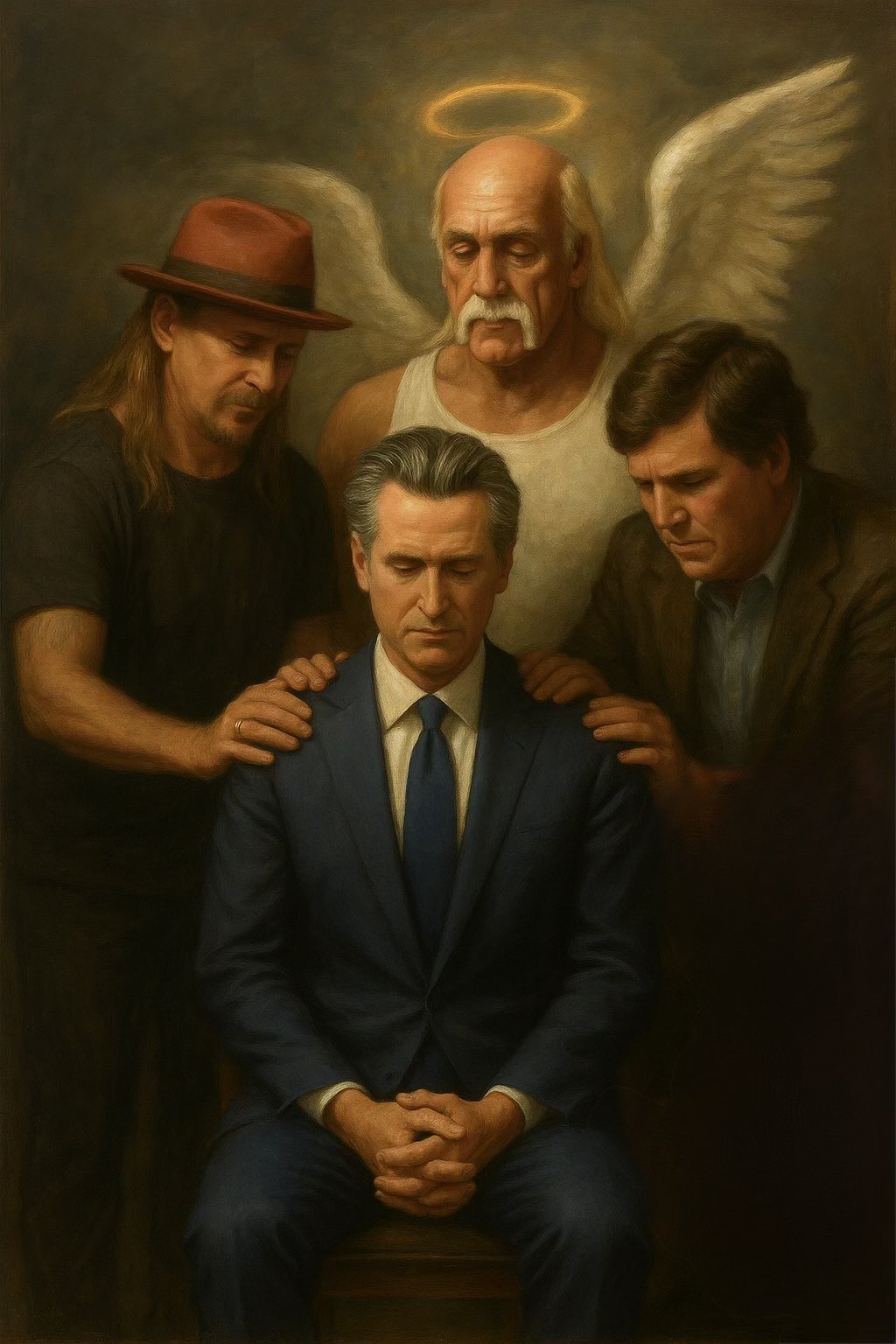
Why Newsom’s Strategy Works for Some—and Why It’s Controversial
On one hand, the posts have generated significant engagement. Politico reports the account gained more than 250,000 followers and 225 million impressions in weeks.
On the other hand, critics argue the strategy risks overshadowing the redistricting policy itself and could erode trust in Newsom’s office. Some see it as “punching down” on opponents, while others worry it creates a precedent of governing via internet spectacle rather than substantive discussion (CalMatters, LA Times).
Why Brands Should Tread Lightly
Edgy marketing works only when it aligns with brand values and audience expectations. Risks include:
- Tone misalignment – If humor feels forced, audiences notice and may punish it.
- Viral backlash – Edgy posts can quickly spiral into PR crises if misunderstood.
- Overshadowing substance – Controversial messaging can drown out the underlying product, service, or policy.
Take some advice from Management.org’s guide to edgy marketing and always ask the question, “What could go wrong with this marketing effort?” Develop a crisis plan if the edge goes awry. Ensure your brand has a clear goal and a strategy in place for why a hot take makes sense for you.
Pros and Cons of Edgy Marketing
| Pros | Cons |
| Cuts through digital clutter and drives visibility | Misaligned tone can alienate customers or stakeholders |
| Creates highly shareable, viral moments | Requires vigilant oversight and crisis protocols |
| Builds strong brand personality and memorability | Can overshadow core messaging if not balanced |
The Alignment Factor
The real takeaway? It’s not about being edgy, it’s about being authentic.
Newsom and Trump’s tweets work for their base because they feel true to the voice their teams have crafted, just as MoonPie and Burger King’s irreverence feels natural to their brands. Without that alignment, similar strategies would look tone-deaf or opportunistic.
Key Takeaways for Brands
- Bold works best when it feels true to your brand. Don’t mimic, own your own version of daring.
- Cultural fluency is non-negotiable. Know the memes, formats, and tones your audience lives in.
- Move fast, but protect your reputation. Build processes for review and crisis management.
- Measure more than reach. Engagement is only step one; track sentiment and long-term brand impact.
Contact us today if you’re thinking of taking your posts or your PR strategy in a bolder direction. We can help you determine if it’s a winning move or a disaster waiting to happen.
